"The Black Wash Machine Awards: The Top, Worst, Or Most Bizarre Things We've Seen


How to Prevent Black Wash Machine Issues
Washing machines are warm and moist places - perfect places to grow mildew and mold. These nasties may accumulate over time, causing black flakes to form.
These flakes can be prevented by regular cleaning and maintenance. Follow these steps to keep your washer clean 1. Remains of powder that washes your clothes.
1. Detergent Residue
Despite the best efforts of modern detergents to leave your clothes fresh and clean, residue can build up in small crevices and corners in your washing machine. This residue together with lint and dirt, can cause black buildup inside your washing machine. This is not only gross, but it can also cause damage to the machine.
The residue left behind by detergent could be caused by many factors, such as using non-HE detergents with an HE machine or adding too much detergent. Too much detergent may prevent it from dissolving and settle on your clothes. If you notice a white residue on your clothes, this is typically undissolved detergent and can be removed by rewashing and drying them in the dryer.
If you use powder detergent, you should ensure that you only use the amount suggested on the label. In excess, powder detergent could cause it to clump together during washing and cause streaks to appear on your clothes. It is also essential to use a liquid dye-safe detergent. The use of non-HE detergents in an HE machine may hinder the detergent from dissolving properly and result in white residue on your clothes.
Cleaning your washer regularly can help to prevent the accumulation of dirt and residue. Cleaning your washer with Pine O Cleen or Clorox Washing Machine Cleaner every month is recommended. These products are sold at most home improvement shops and are fairly inexpensive.
You can also run an intense wash cycle in your washer with no laundry every month. This will help remove any residues that have built up over time. Also, avoid washing heavily soiled clothing in your washer, since the humid and warm climate is the perfect environment for mildew or mold to grow. These growths may also stick to your clothes and wash machine and cause black flake.
2. Hard Water
If your clothes seem to come out of the washer squishy and stiff, if they're leaving streaks of gray or powdery residue, or if you've noticed that your washing machine is acting oddly, hard water could be to blame. Hard water is identified by a high amount of minerals that stain clothes and causes damage to washing equipment.
In most households the water is soft but if yours isn't, it's time to consider installing a washing machine with black color that can deal with hard water.
Hard water can cause detergent to build up on your clothes and in your washer. This can lead to an unpleasant musty smell, therefore it is essential to clean your washer regularly. One method of doing this is to fill the tub with hot water, then pour in one cup of vinegar. The vinegar will wash away any hard-water residue and stop future mineral deposits from building in your washing machine.
Hard water can also leave a dingy look on lighter or white clothing and leave a powdery residue on fabric of your clothing after washing it. It can also cause irritation to your skin and cause it to feel rough or itchy after wearing clothes.
Another issue is that hard water could cause premature fading of dark clothing, as the minerals in it may break down the fibers of the clothing. This can lead to rips and tears in the clothing and shorten its lifespan.
Some people fix this by adding more detergent to their laundry, but this is a temporary fix that will only increase your utility bills and could also damage the washing machine in the end. Utilizing a washer that can handle hard water is the most effective way to avoid these issues and get your laundry looking and feeling fantastic. You can also consider investing in a filter for hard water for your home, which will prevent the heavy minerals from entering the washing machine and destroying your laundry.
3. Mold
Mold spores are attracted to dark, damp places such as laundry rooms. This is why they will grow in the dark interior of your door and drum. Many people do not clean the washing machine on a regular schedule and this leads to grime and dirt. This is the perfect environment for mold.
Mold growth is detrimental to your health due to the particles it releases into the air. This can trigger respiratory symptoms such as coughing and sneezing, as well as skin rashes. In extreme cases, it can cause lung infections, and even death (1).
Before black washing machines uk run the washing machine's cleaning cycle make sure it is completely empty. Use EC3 or a different solution to eliminate the mold and stop it from forming. It is also possible to use an additive for laundry that is designed to stop and eliminate the mold from your clothes while washing them.
While wiping down the outside and interior of your washing machine is a great first step, it's also essential to clean the rubber seal around the door, too. It is also important to use HE detergent since it reduces the amount that produces suds which can encourage mold. In addition, running an empty hot water cycle at least once per month helps to keep soap residue and mold spores.
If your washing machine comes with drawers that are removable, such as those for fabric softener, bleach and detergent, make sure you empty them prior to using a mold-killing or cleaner solution. If you have a front-loader make sure to open the lid or the door of the washer to expose the inside parts and the rubber seal. Then spray the cleaning solution on microfibre cloths and use it to clean the entire surface of the door and the rubber seal, including any folds or crevices. Finally, allow the washer to dry thoroughly before you close it.
4. Lint
Lint is caused by natural fibers rub against each other during the washing process and resulting in tiny clothing fragments. These can easily combine with washing powder or detergent residue, and then turn into black flakes. This is a common reason for black wash machine issues and one that can be avoided by following a few simple techniques.
Check the lint filter or trap frequently to get rid of any lint build-up. Lint filters are usually found on the edge of the drum, or inside the center agitator of top loaders. A mesh lint filter can also be installed at the end of the drainage hose. Lint traps and filter should be cleaned at least one time a month in order to avoid accumulation of lint.
If you own a top-loading washer, you can check the lint filter, by unbolting it from the agitator. If your washer does not have a filter installed, you can remove the drain hose, and then clean it.
In addition to making sure that your washing machine has a filter or lint trap You can also use a lint roller to remove lint from clothing prior to washing them. These handheld devices are designed to remove lint, pills and other debris from clothing including black clothing. These devices can be used to lessen lint and prolong the life of your clothing by using them prior to when you put your clothes in the dryer.
Another method to get rid of lint is to use fabric softener during the final rinse of your wash cycle. This will allow the fibers of your clothing relax, releasing lint that can be washed out in the wash cycle.
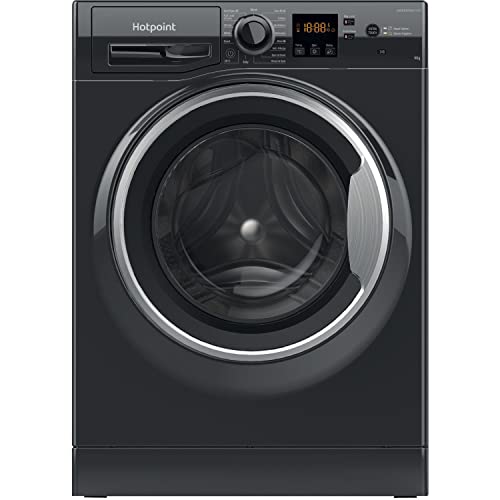
The moist and warm environment inside a washing machine provides the perfect environment for mildew and mold to develop. These conditions can cause the inside of your machine and its hoses to become blackened and cause blackened flakes to appear on your clothes. To prevent this from happening you can clean the inside of your washer using a solution of baking soda and water. The baking soda will dissolve the residue of detergent and other deposits that cause black flakes to form in your wash machine.